


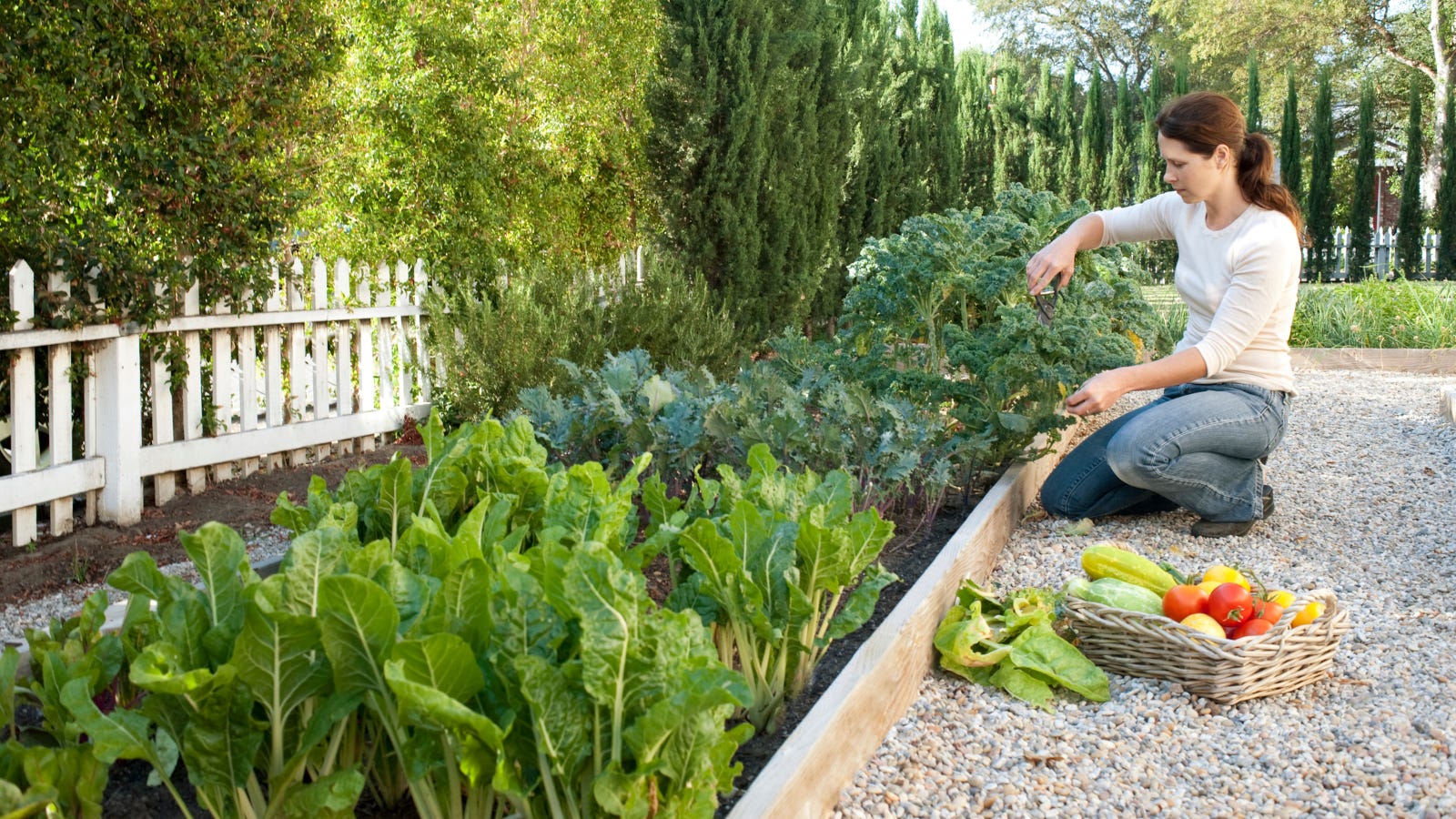
We Grow and Eat Our Own Vegetables
Growing food at home is more common than many people realize. Federal government and industry reports indicate that more than 43% of Americans grow food at home. Among home gardeners, 55% regularly eat their own homegrown vegetables, with tomatoes appearing in 86% of these gardens.
A home garden may not replace a weekly trip to the grocery store, but it can help reduce food packaging, provide fresh produce, and make productive use of outdoor space. It can also reconnect us with the resources required to grow food. When we plant, water, and harvest our own vegetables, we become more aware of seasonality, soil, water, and the effort behind what we eat.
We Are Eating More Plant-Based Foods
Our diets have changed over the last few decades. Between 2012 and 2022 alone, the percentage of Americans following a plant-rich dietary pattern more than doubled, from 12.1% to 25.8%.
Younger generations are helping drive this shift. Research suggests that younger consumers are more likely to embrace plant-rich diets, while surveys of college students indicate 14% of Generation Z identify themselves as either a vegetarian or vegan.
Health and nutrition are leading motivations for choosing plant-based foods, followed by concerns about environmental and animal welfare, according to the International Food Information Council.
The transformation of American diet matters because food choices are not just personal decisions. Producing food requires land, water, energy, and transportation. Replacing some meat-heavy meals with beans, lentils, vegetables, and other plant-based foods can reduce the environmental footprint of our diets without requiring everyone to become vegetarian or vegan.
We Are Buying More Secondhand Goods
Buying used products is another increasingly mainstream habit. Consumer tracking data shows that during 2025, 76% of Americans purchased at least one secondhand item, with the trend especially strong among younger consumers: 89% of Millennials and 85% of Generation Z shopped secondhand, compared with 59% of Americans aged 62 and older.
Every time we choose a suitable secondhand product instead of buying a new one, we create an opportunity to extend an item’s useful life and reduce demand for new manufacturing. This can conserve raw materials, reduce production emissions, and keep usable goods out of landfills.
We Prefer Repairing Rather Than Replacing
We are also reluctant to throw things away unnecessarily. Research published by Talker Research, for example, found that 80% of U.S. adults try to repair and maintain items themselves rather than buying replacements. Among those who repair their own belongings, 40% have fixed clothing or textiles, 38% have repaired home decor or furniture, and 37% have tackled basic household plumbing.
Moreover, 84% support policies that require manufacturers to provide repair manuals and spare parts to consumers.
Repairing a torn shirt, fixing a chair, or maintaining an appliance can save money while reducing material waste. It also challenges the assumption that replacing a broken product is always easier or more economical than keeping it in service.
The Opportunity Is to Build on What We Already Do
These habits are encouraging because they show that sustainability does not always require dramatic lifestyle changes or expensive new technology. It can begin with growing a few vegetables, changing what we eat, buying something secondhand, or repairing an item instead of discarding it.
Of course, these choices are not automatically sustainable in every circumstance. Their environmental benefits depend on factors such as what they replace, how products are made, and the resources required to maintain them.
Still, the larger lesson is important: we are not starting from zero. Many Americans are already practicing forms of sustainability, sometimes without thinking of them that way.
Recognizing these habits can help us move beyond a narrative that sustainability is all sacrifice, inconvenience, and personal responsibility. The next step is to make these choices easier, more affordable, and more widely available—and to encourage businesses and governments to support the sustainable practices people are already adopting.
Perhaps the most promising sustainability strategy is not simply asking people to do more. It is understanding what they are already doing right and finding ways to build on it.