


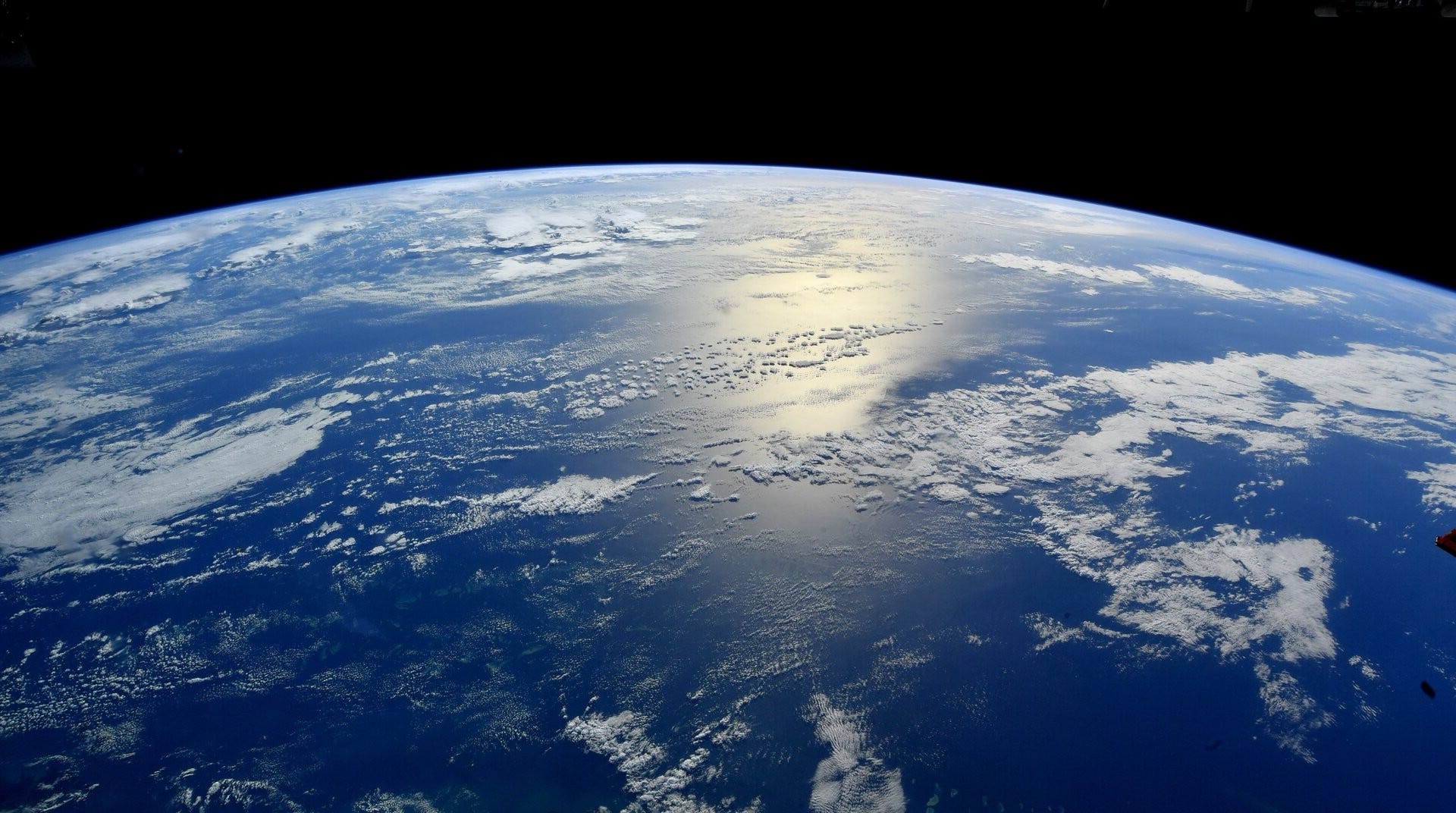
The oceans are essential to life on Earth. Covering nearly three-quarters of the planet, oceans help regulate rainfall, climate, coastlines, and the oxygen we breathe. They also play a growing role in how the world is fed. As climate change disrupts farming on land—through droughts, floods, heat waves, and pests—seafood will become even more important in providing reliable food for billions of people. Protecting the oceans is therefore not just about preserving nature; it is about food security and economic stability for communities around the world.
Seafood already plays a major role in human nutrition. Fish and other aquatic foods provide about 17 percent of the animal protein people consume globally, and around 3.3 billion people rely on seafood as a key part of their diets. In many coastal and low-income regions, seafood supplies more than one-fifth of daily protein and is often more affordable than meat or dairy. The oceans also support livelihoods of more than 3 billion people who depend on marine life for their income, whether through fishing, aquaculture, tourism, or shipping. Together, ocean-based industries generate about $3 trillion each year—roughly 5 percent of the world’s economy—and support hundreds of millions of jobs.
Because so many people depend on the oceans, their health is closely tied to human well-being. Ocean foods provide vital nutrients such as omega-3 fatty acids, vitamin D, iodine, and minerals that support brain development, immune systems, and overall health. For children and pregnant women, these nutrients are especially important. In the world’s poorest countries, seafood can provide more than half of all dietary protein, making healthy oceans a matter of survival as much as sustainability.
Yet the oceans are under serious threat. Pollution, especially from plastic, has reached alarming levels. Petrochemical companies now produce hundreds of millions of tons of plastic each year, and millions of tons of it end up in the ocean. Plastic waste damages fisheries, harms wildlife, pollutes coastlines, and hurts tourism, costing the global economy tens of billions of dollars annually. Other forms of pollution—such as fertilizer runoff and untreated sewage—trigger harmful algal blooms and create “dead zones” where fish and other marine life cannot survive.
Much of this damage happens out of sight. Some plastic sinks to the seafloor, while some gather in huge swirling patches in the open ocean. Marine animals and birds mistake plastic for food or are injured or killed when they become tangled in for example discarded fishing gear. Tiny plastic particles, known as microplastics, now appear in everything from plankton to tuna, raising concerns about their impact on ecosystems and on human health. From seabirds filled with plastic to fishing communities watching traditional catches collapse, the pollution crisis is already reshaping lives, economies, and ecosystems.
Recognizing these dangers, the United Nations adopted the Sustainable Development Goals in 2015, including one focused specifically on protecting the oceans. The United Nations called on governments and corporations to reduce pollution, stop illegal fishing, protect marine habitats, and prevent overfishing. Some progress has been made, especially in expanding marine protected areas. Still, only a small portion of the world’s oceans are protected, and many fish populations remain under strain. Warming waters and increasing ocean acidification continue to threaten marine life, showing how far the world still must go.
The future of the oceans is not only in the hands of governments and corporations—it is shaped by everyday choices made by billions of people. What we eat, what we buy, how we travel, and how we dispose of waste all leave a footprint in the sea. Choosing seafood from well-managed fisheries and responsible aquaculture helps protect fish populations and coastal ecosystems. Reducing single-use plastics, recycling properly, and avoiding products that pollute waterways can prevent waste from reaching the ocean in the first place. Using less energy and supporting clean power also slows ocean warming and acidification by cutting greenhouse-gas emissions. Just as important, voting, speaking out, and supporting ocean-friendly businesses and policies can push leaders and industries to protect marine ecosystems. Taken together, these everyday actions create powerful pressure for change—and give people everywhere a direct role in safeguarding the oceans that sustain us.
For decades, the oceans have absorbed much of the heat and carbon pollution produced by human activity, helping to slow the pace of climate change. But this natural buffer has limits. If we continue to pollute, overfish, and overheat the seas, we risk losing one of our greatest allies in the fight against hunger and climate instability. The future of our food—and of life on Earth—depends on how well we protect the oceans today.
As the oceans struggle under climate change, what happens on land may decide whether the world can still feed itself. How we use land for food and profits is the subject of our next blog.