


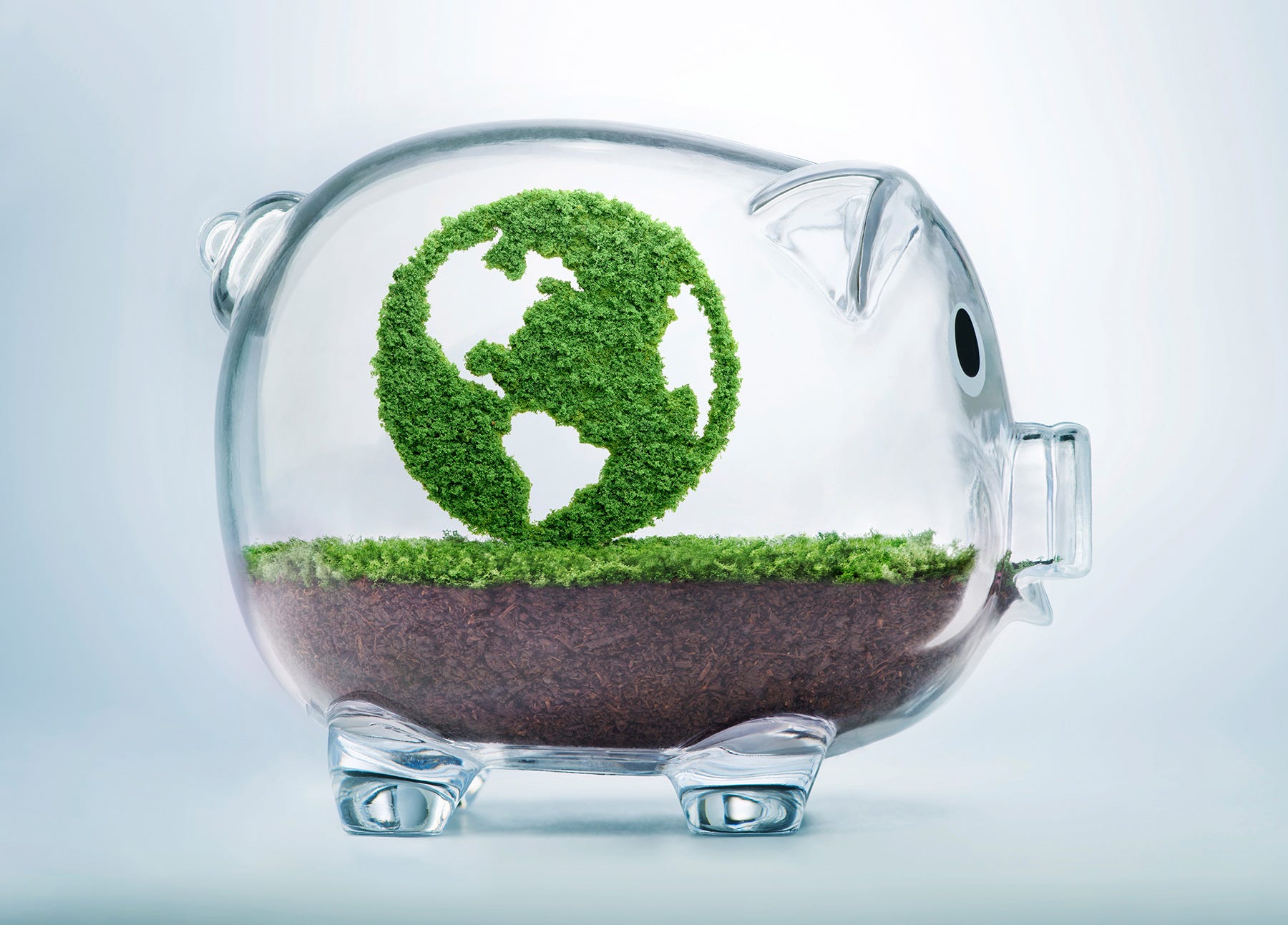
Living sustainably isn’t just good for the planet, it’s also good for our wallets. Every day, people around the world waste money on energy, water, food, transportation, and cheap products without realizing how much it adds up. By making small changes in how we live, we can save thousands of dollars each year while reducing our impact on the environment.
1. Energy Waste
Leaving lights on, using old or inefficient appliances, and living in poorly insulated homes all drive up energy bills.
According to the International Energy Agency (IEA), people could save about $500 billion each year worldwide just by improving home energy efficiency.
Upgrades—like sealing air leaks, adding insulation, or upgrading your heating and cooling systems—can cut U.S. household energy bills by 10–20%.
More extensive improvements, such as replacing old windows with energy-efficient ones, while more expensive, can reduce home energy use by up to 50% thus saving homeowner money in the long-term.
2. Transportation
Driving gas-guzzling vehicles such as large SUVs or trucks (like the Ford F-150) can cost two to three times more in fuel compared to smaller, more efficient cars.
Keeping your car in good shape also saves money. A well-tuned car with properly inflated tires can improve gas mileage by up to 40%.
The U.S. Department of Energy estimates that drivers can save about $1,000 per year per vehicle by driving more efficiently by combining trips, avoiding rapid starts and stops, and using fuel-efficient cars.
3. Food Waste
Around the world, one-third of all food is wasted—worth roughly $1 trillion every year. In less developed countries food waste occurs mostly at the production and transportation stages. In developed countries most of the waste occurs and the consumer level. In the United States, for example, the average household throws away nearly $3,000 of food annually.
Wasting food isn’t just about losing money. It also wastes the water, energy, and labor that went into growing, transporting, and storing that food.
4. Water Waste
A single dripping faucet can waste 3,000 gallons of water a year. The U.S. Environmental Protection Agency (EPA) says fixing leaks can save households about 10% on their water bills.
Outdoor water use is another big source of waste, up to half of the water used for lawns and gardens is lost to overwatering.
By adjusting sprinklers and watering more efficiently, households can save hundreds of dollars and thousands of gallons every year.
5. Buying Low-Quality Products
Cheap, low-quality items often cost more in the long run because they wear out or break easily and need to be replaced.
This is especially true for fast fashion—inexpensive clothes that look good at first but fall apart after only a few washes. Over time, buying replacements again and again costs more than investing in durable, high-quality pieces.
How Much Money Is Wasted?
In developed countries, the average household wastes more than $3,500 every year due to unsustainable habits:
Energy waste: $300
Food waste: $1,500
Water waste: $100
Transportation inefficiency: $500
Overconsumption and low-quality goods: $1,000+
Missed recycling/reuse value: $100
The Global Cost
Unsustainable behavior or poor production and distribution systems outdated costs the world trillions of dollars every year:
Food waste: about $1 trillion
Energy inefficiency: about $500 billion
Environmental damage from pollution, climate change, and health impacts adds billions more, though these losses are harder to measure directly.
Living more sustainably doesn’t have to be expensive or complicated. Simple actions—like fixing leaks, cutting food waste, improving energy efficiency, and buying better-quality products—can lead to big savings over time. When millions of people make these changes, the financial and environmental benefits add up fast. Sustainability isn’t just a moral choice, it’s a smart financial one, too.