


In the early 1980s, American automakers were in serious trouble. Oil shocks had pushed gasoline prices up. Fuel-efficient Japanese imports were rapidly gaining market share. Sales of Detroit’s large, profitable sedans were falling.
Chrysler had already received $1.5 billion in federal loan guarantees. Ford Motor Company and General Motors were closing plants and laying off hundreds of thousands of workers.
Yet within a decade, U.S. auto industry was on a rebound.
The Legal Loophole
After the early 1970s oil crisis, Congress passed the Corporate Average Fuel Economy (CAFE) program. The goal was to reduce oil dependence by requiring automakers to meet minimum fuel efficiency targets.
But there was a distinction built into the rules. “Passenger cars” faced stricter standards.
“Light trucks” — originally defined for farmers, contractors, and commercial users — were held to weaker ones.
Automakers recognized the opportunity. Rather than dramatically redesign their fleets to meet tougher passenger car standards, manufacturers began redesigning vehicles to qualify as light trucks. Early SUVs were essentially pickup truck platforms with enclosed passenger cabins bolted on top.
By selling more vehicles classified as light trucks, companies could meet fleet fuel economy requirements more easily and make profits at the same time. A regulatory distinction became a product strategy.
Profit Margins, Not Just Consumer Preferences
In 1983, Ford introduced Bronco II. In 1990 came the Explorer. These vehicles quickly became bestsellers. Competitors followed. But this wasn’t simply unmet consumer demand suddenly surfacing. It was demand created through effective marketing.
SUVs were advertised as safer, more powerful, more versatile, capable of both family commuting and rugged adventure. Commercials showed vehicles climbing mountains and crossing wilderness terrain on weekends and driving children to schools on weekdays. The message was clear: this wasn’t just transportation — it was freedom.
Marketing reframed everyday driving as exploration. Height became associated with safety. Size became associated with strength. Ownership became a status signal.
As oil prices declined and consumers became less concerned with fuel costs, automakers could earn thousands more per SUV than per sedan.
What began as a niche vehicle for off-road or rural use became the default American family car.
When Supply Shapes Demand
By the 2000s, SUVs were growing larger. Larger and larger pickup trucks were increasingly marketed as family vehicles. Meanwhile, sedan offerings shrank.
In 2018, Ford Motor Company announced it would largely exit the traditional sedan market in North America, focusing instead on trucks and SUVs.
Consumers can’t buy what isn’t offered.
Market “demand” reflects preferences — but it also reflects what manufacturers choose to produce, promote, and prioritize.
When dealership lots are dominated by SUVs and pickup trucks , advertisements relentlessly reinforce them as safer and more desirable, regulatory structures make them more profitable to build, consumer choice must adapt.
The Larger Lesson
The “light truck” story isn’t just about cars. It reveals how markets are created before consumer demand.
In competitive industries, firms respond to incentives. If regulations create categories with looser standards, companies will design products to fit those categories. If larger vehicles yield higher margins, production will shift toward larger vehicles. Environmental and safety consequences must take the back seat to those immediate incentives unless policy explicitly addresses them.
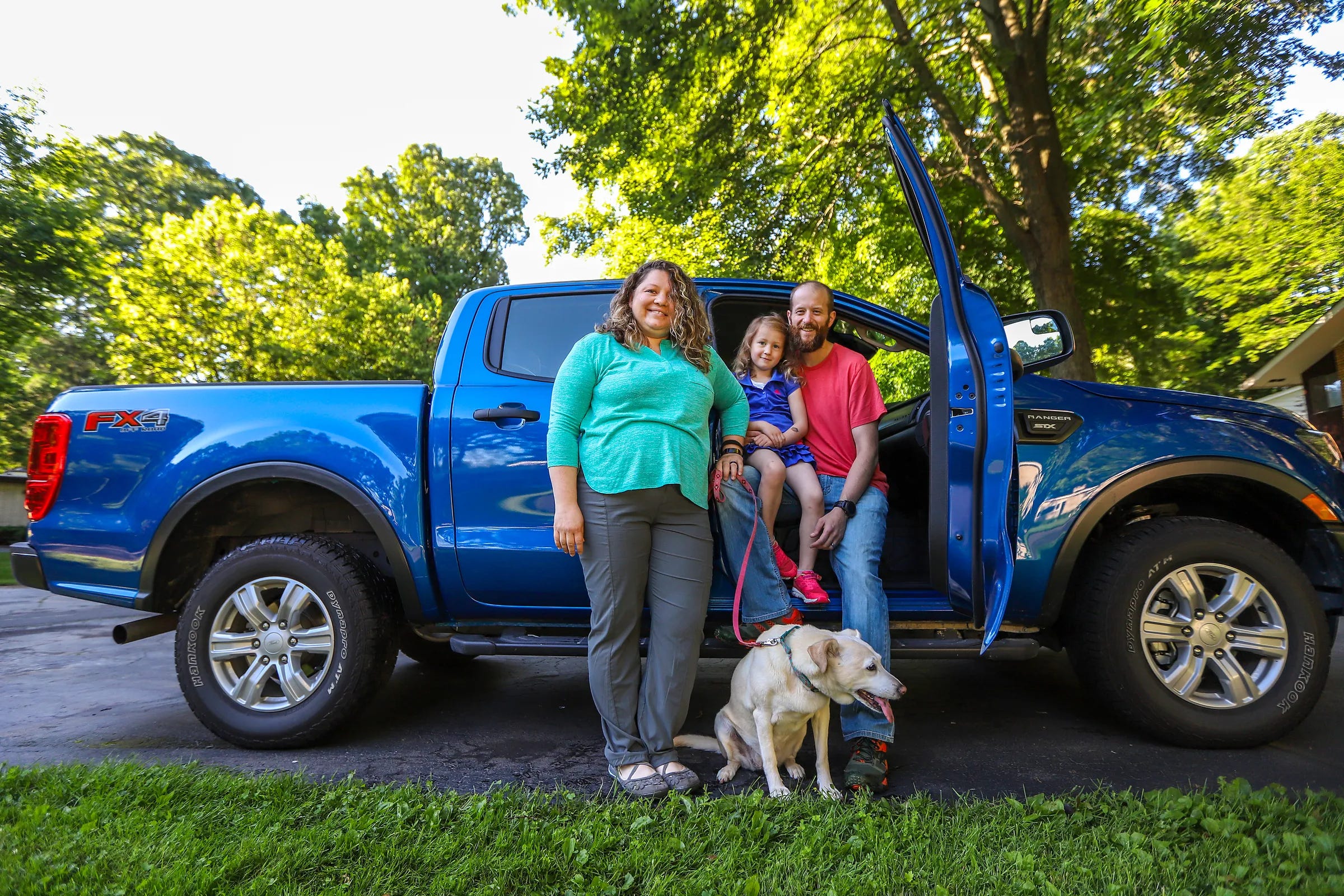
Larger vehicles tend to consume more fuel, emit more carbon, and increase risk to pedestrians due to height and mass. Yet, two-thirds of vehicles on the road and 80 percent of new vehicles sold in the United States are “light trucks” and they are gaining popularity in other parts of the world.
None of this was inevitable.
It was the cumulative outcome of regulatory design, corporate strategy, marketing narratives, and consumer adaptation. Auto industry’s economic power means that despite the threat of its products to the environment as well as the health and safety of the population, they are politically powerful enough to keep governments away from imposing any serious regulations on them that can force them to rethink their responsibility to the larger society.
In Part II, I’ll examine how the shift to light trucks reshaped the carbon footprint of American transportation — and why unwinding this system is far more complex than building it.